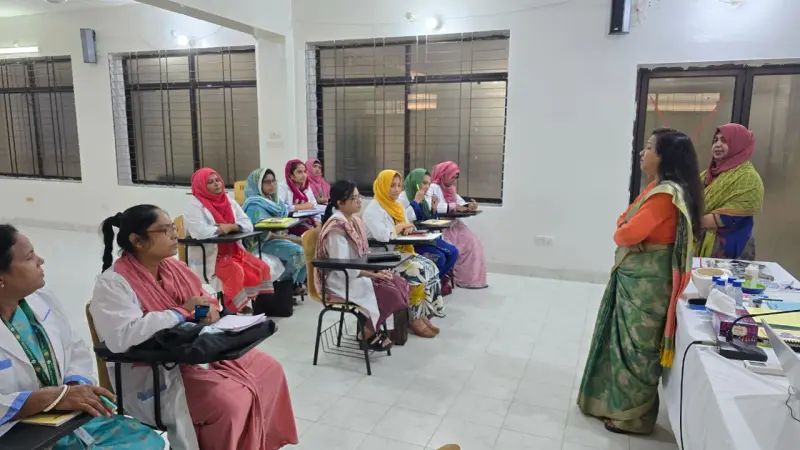
All projects implemented by Elekta Foundation’s collaboration partners start with capacity building. It ensures that health staff are aligned around the dual screening process and clearly understand each step of the care pathway.
Based on the FAST model, capacity building strengthens laboratory environments, test management, clinical procedures, and communication of results to women. This holistic approach is essential for safe, coordinated screening and better health outcomes for women.
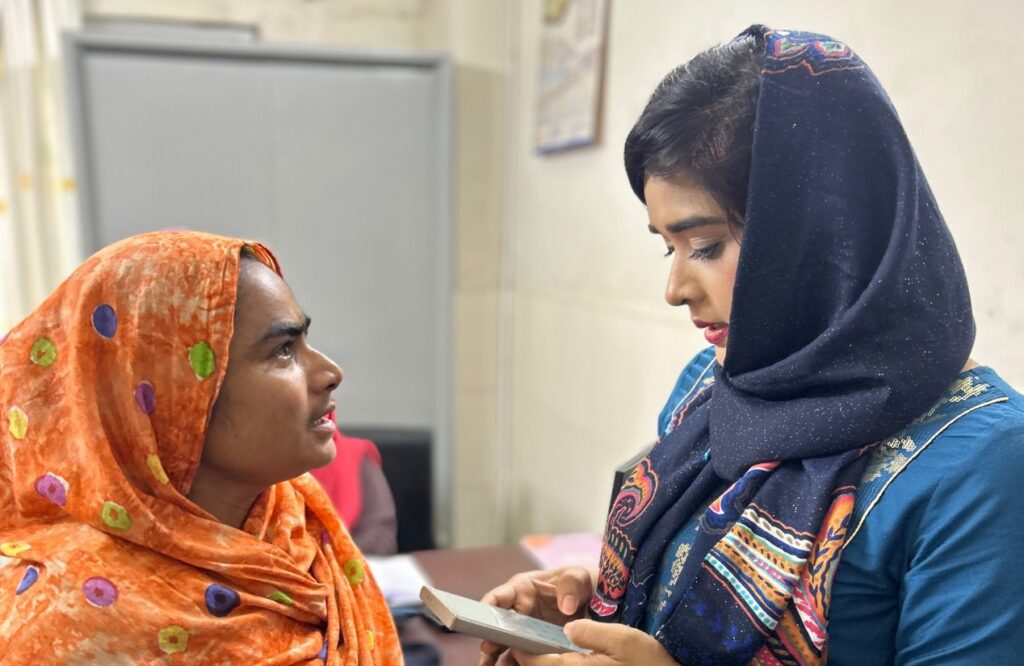
Dialogue with women and patients is essential throughout the screening process. Clear, respectful communication helps women understand each step, from testing to results and follow‑up care. By listening to women’s questions, concerns, and experiences, health staff can build trust, reduce anxiety, and ensure that care is both person‑centred and effective. A strong dialogue is key to quality care and better health outcomes.
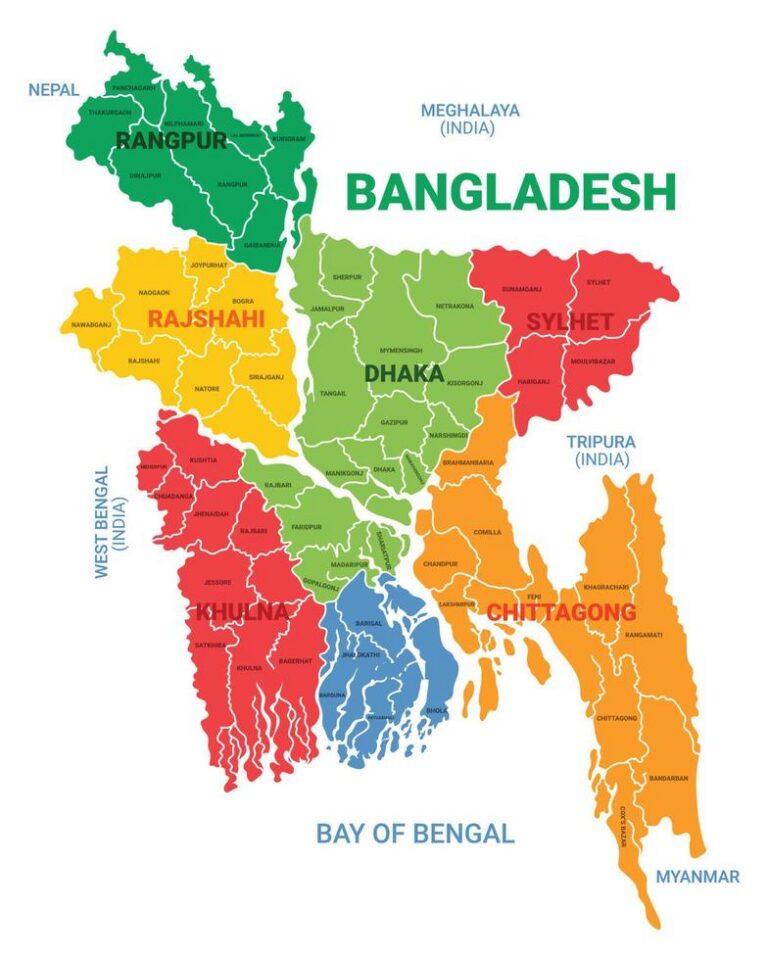
Bangladesh is a lower‑middle‑income country in South Asia with a land area of approximately 148,000 square kilometres and a population of around 170 million people. About half of the population are women, representing a very large cohort requiring access to preventive health services across the life course. Cervical cancer and breast cancer are the two most common cancers affecting women in Bangladesh and together constitute a major public health challenge.
Cervical cancer remains one of the leading causes of cancer‑related morbidity and mortality among women in the country. It is the second most frequent cancer among women in Bangladesh and particularly affects women aged 15–44 years, during their most economically and socially productive years. There are approximately 64 million women aged 15 years and older who are at risk of developing cervical cancer.
According to the Information Centre on HPV and Cancer (ICO/IARC), around 4.4% of women in the general population are estimated to harbour HPV types 16 or 18 at any given time, and 80.3% of invasive cervical cancers in Bangladesh are attributed to HPV‑16 or HPV‑18, the two most oncogenic HPV types.
Breast cancer is the most commonly diagnosed cancer among women in Bangladesh. According to the Global Cancer Observatory (GLOBOCAN), breast cancer accounts for approximately 18% of all new cancer cases among women, making it the leading cancer by incidence in this population. Late presentation and limited access to early detection services contribute to high mortality rates, underscoring the need for strengthened screening and referral pathways.
Grameen Kalyan was established in 1996 as a pioneering social business and is a sister concern of the Grameen family, founded by Nobel Laureate Professor Muhammad Yunus. It operates with a strong commitment to bringing affordable, quality healthcare to underserved rural communities across Bangladesh
The organization’s journey began with the Rural Health Program (RHP), initiated in 1993 as an experimental model to address the deep-rooted connection between poverty and poor health. Following its early success, RHP evolved into a full-fledged social enterprise, Grameen Kalyan (where “Kalyan” means well-being), with a mission to provide accessible primary healthcare through community-based solutions.
Since start, Grameen Kalyan has grown to become one of the largest primary healthcare providers in the country. Currently, it operates 143 Community-Based Health Centers (CBHCs) across 31 districts, directly serving over 700,000 patients annually. Additionally, more than 7 million people benefit from outreach activities, including domiciliary services and school health programs, at a nominal cost.
Its integrated service offerings include doctor consultations, pathology testing through an advanced diagnostic lab, ultrasound imaging, vaccination and immunization, pharmacy services, telemedicine, outreach health camps, domiciliary care by community health assistants, cataract eye surgery, and Micro Health Insurance (MHI). The organization also runs a state-of-the-art diagnostic laboratory capable of performing advanced tests related to thyroid disorders, cardiac markers, infections, diabetes, reproductive health, and more, making high-quality diagnostic services available at a low cost.

“Grameen Kalyan believes in trust, quality and innovation in delivering services. We are on a mission to transform healthcare in Bangladesh at primary, secondary, and tertiary levels. We exist to provide affordable and quality healthcare and well-being services in unreached communities at the bottom of the pyramid, empowering them to get out of the poverty cycle.”
The Foundation collaborates with key partners that acknowledge the importance of joining forces to tackle cervical cancer:

Rwandan Ministry of Health

Rwanda Biomedical Center

Rwanda Society for Family Health

Clinton Health Access Initiative (CHAI)

Partners In Health

Heza Initiative

African Center for Research on End of Life Care
Grameen Kalyan, Bangladesh

Rayos Contra Cancer

United Nations Population Fund