
Ongoing Projects

Always - On Cancer screening projects in local communities

District-based cancer prevention projects aligned with WHO Strategy
In alignment with the World Health Organization’s global strategy to eliminate cervical cancer, the Elekta Foundation builds its operations on population-based screening—a proactive public health approach that systematically invites all eligible individuals within a defined population to participate in screening programs. This method ensures equitable access and maximizes early detection across entire communities.

Our work is structured district by district, with each area managed as a dedicated project. Within each project, the Elekta Foundation deploys a specialized team consisting of a gynecologist, a patient navigator, and a data manager. This team collaborates closely with local and national health professionals to strengthen capacity and ensure high-quality service delivery.

Within our Program for Integrated Women’s Cancer Care, the Elekta Foundation conducts dual screening, simultaneously screening for cervical and breast cancer. This approach targets the two most common cancers affecting women in low-resource settings, enabling more efficient use of health resources and improving access to early detection and care.

Our journey towards impact

Our current efforts are centered in Rwanda, where we are scaling up program. To date, we’ve conducted screenings in seven districts, including Karongi, Kayonza, Rubavu, Nyabihu, Gicumbi, Bugesera, and Kicukiro. Regardless of the district, we always rely on our well-adapted FAST model to guide every stage of our programs, from awareness and screening to diagnosis and treatment. Read more about this below.


Our FAST-model includes:

F = Fast HPV testing
A = Affordable cost per woman
S = Systematic tracking
T = Timely diagnosis and Treatment

Our Added Value:

  • Public Private Partnerships
  • Qualitative care
  • High throughput
  • Digital solutions

Accelerated screening across three districts in the final months of 2026

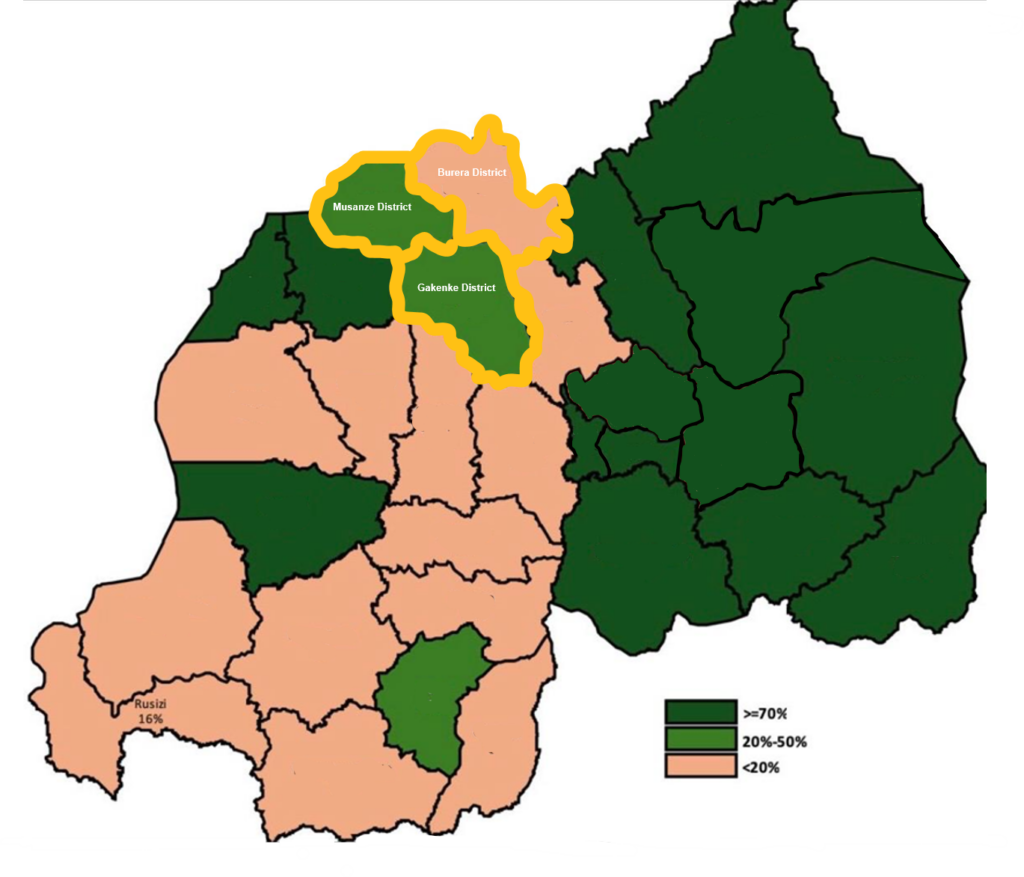
As screening in Gatsibo District enters its final phase, with the district expected to turn dark green in October, preparations are under way to launch screening in three neighboring districts in northern Rwanda: Burera, Musanze and Gakenke. This will mark the first time that high-speed screening for both cervical and breast cancer is conducted simultaneously across three districts. Once each district has screened more than 70% of its eligible women, more than half of Rwanda’s 30 districts will be dark green. Mission 2027 will then enter its decisive final phase, focused on achieving the cervical cancer elimination target by the end of 2027. Rwanda would thereby become the first country in Africa to reach this milestone—three years ahead of the World Health Organization’s global 2030 target.

Before HPV screening begins for women aged 30–49, comprehensive capacity-building activities will be conducted for Community Health Workers, nurses and midwives. Working alongside the Rwanda Biomedical Centre (RBC), other partners and NGOs, the Elekta Foundation’s Rwanda Mission 2027 Team will support both the preparatory work and the screening phase to help ensure high-quality service delivery and effective community mobilization.

During the final months of 2026, more than 100,000 women are expected to be screened for HPV, the virus responsible for approximately 99% of cervical cancer cases. The programme applies a dual-screening approach: every woman screened for HPV will also receive a clinical breast examination (CBE) during the same visit, enabling earlier detection of both cervical and breast cancer.

The next districts planned for dual screening, covering both cervical and breast cancer, are the three northern districts of Burera, Gakenke, and Musanze. These districts are highlighted in yellow on the map.

Empowering Women’s Health: FAST Pilot commence during spring in Bangladesh

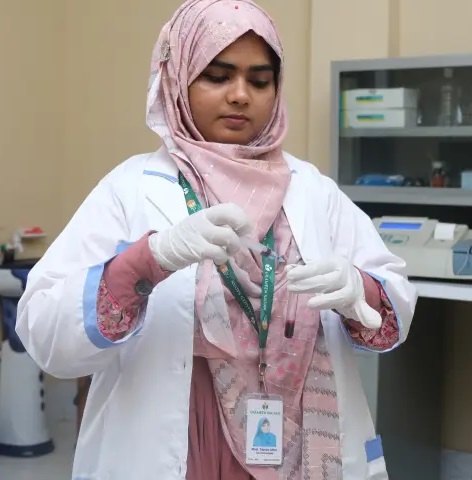
During the first half of 2026, the FAST pilot screening project was launched in Bangladesh, building on the Elekta Foundation’s experience from the co-developed and co-designed Mission 2027 initiative in Rwanda, which also integrates breast cancer screening. The project was implemented under a Memorandum of Understanding with Grameen Kalyan, a pioneering social business established in 1996 that provides affordable, high-quality healthcare to underserved rural communities across Bangladesh. Through the pilot, a total of 20,000 women were screened for cervical and breast cancer.

Following the completion of the pilot, the project and its outcomes are being evaluated. Based on the findings, plans for future screening will be developed in response to national and local needs, with the model further adapted to enable large-scale, population-based screening. The evaluation will also inform the potential expansion of the programme to additional areas.

The long-term goal is to contribute to the elimination of cervical cancer in Bangladesh, in line with the WHO global strategy for eliminating the disease, which disproportionately affects women in low-resource settings. By adapting the proven FAST model to the Bangladeshi context, the partnership between Grameen Kalyan and the Elekta Foundation aims to strengthen early detection and deliver lasting improvements in women’s health.

Local community health workers

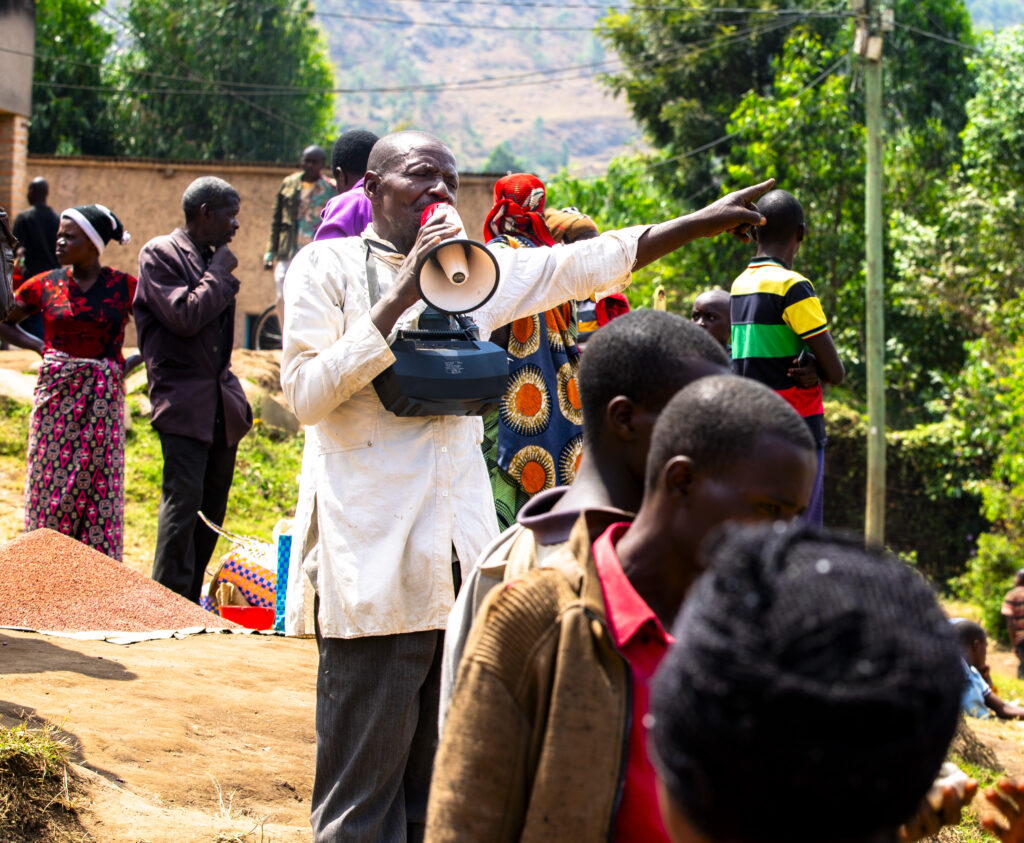
We train LCHWs in all districts to provide health education, basic care, and support services. They connect people to healthcare, raise awareness about the HPW virus—a sexually transmitted infection—and emphasize the importance of early cancer detection. LCHWs encourage women to get screened and promote overall community well-being. As trusted members of their communities, they build strong relationships and play a vital role in reducing health barriers. Several thousand LCHWs are trained before cervical and breast cancer screening begins in each district.

Nurses and midwifes

Empowering Frontline Health Workers through Task-Shifting

In many low-resource settings, access to specialized healthcare professionals remains limited. To address this challenge and improve early detection of cancer among women, we are implementing a strategic approach known as task-shifting—a model that reallocates specific clinical responsibilities from doctors to trained nurses and midwives.

Through targeted training programs, nurses and midwives are equipped to perform clinical breast examinations and screen for precancerous lesions, significantly expanding the reach of preventive care. This approach not only enhances early detection but also strengthens the role of these frontline health workers within the healthcare system.

Importantly, all task-shifting initiatives are closely supervised and supported by medical doctors, ensuring clinical quality and safety. This collaborative model fosters continuous learning, builds capacity, and elevates the professional standing of nurses and midwives. By integrating them more deeply into cancer care pathways, we are not only optimizing health resources but also reinforcing a more equitable and resilient healthcare workforce.

Task-shifting is more than a practical solution—it’s a commitment to inclusive, sustainable healthcare that recognizes and empowers the vital contributions of nurses and midwives in advancing women’s health.

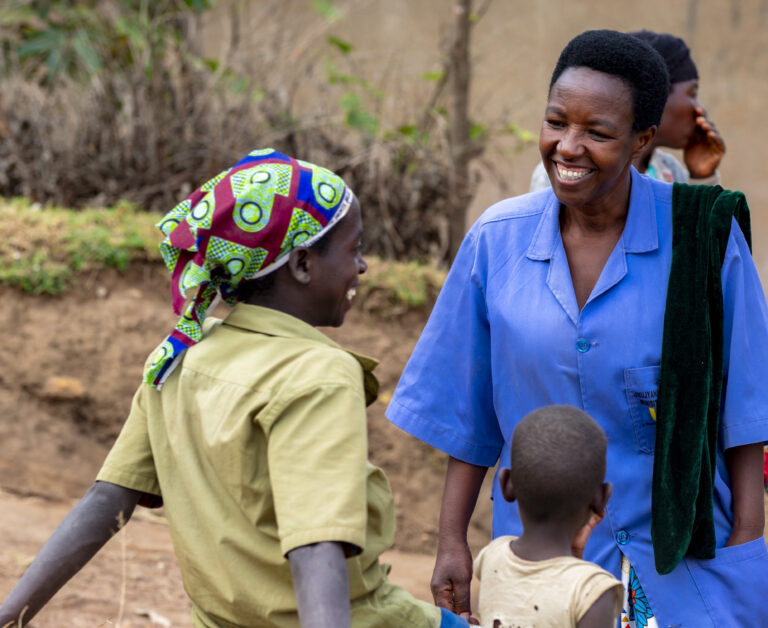
In the districts we serve, nurses and midwives take on more than clinical roles, they often act as patient navigators, helping individuals overcome barriers to care. They guide patients through screening, diagnosis, and treatment, coordinate referrals, and ensure follow-up. They also provide emotional support, connect patients to financial or social assistance, and visit homes when needed. Through this work, they build trust and bring essential healthcare closer to the people who need it most.

Key Insights from Our Work in Rwanda

Since 2022, our work across districts in Rwanda has shown that,

  • Impact relies on a strong network of local health actors. Community Health Workers (CHWs) are vital for mobilization.
  • Local screening services improve access and outcomes.
  • Patient navigators are essential. They ensure follow-up and link patients from screening to treatment.
  • Dedicated data managers are vital among many things to support accurate tracking.
  • Nurse and gynecologist trainers strengthen local capacity.
  • Comprehensive care that addresses both nutrition and mental health to support full recovery is significant.

Since start 2022

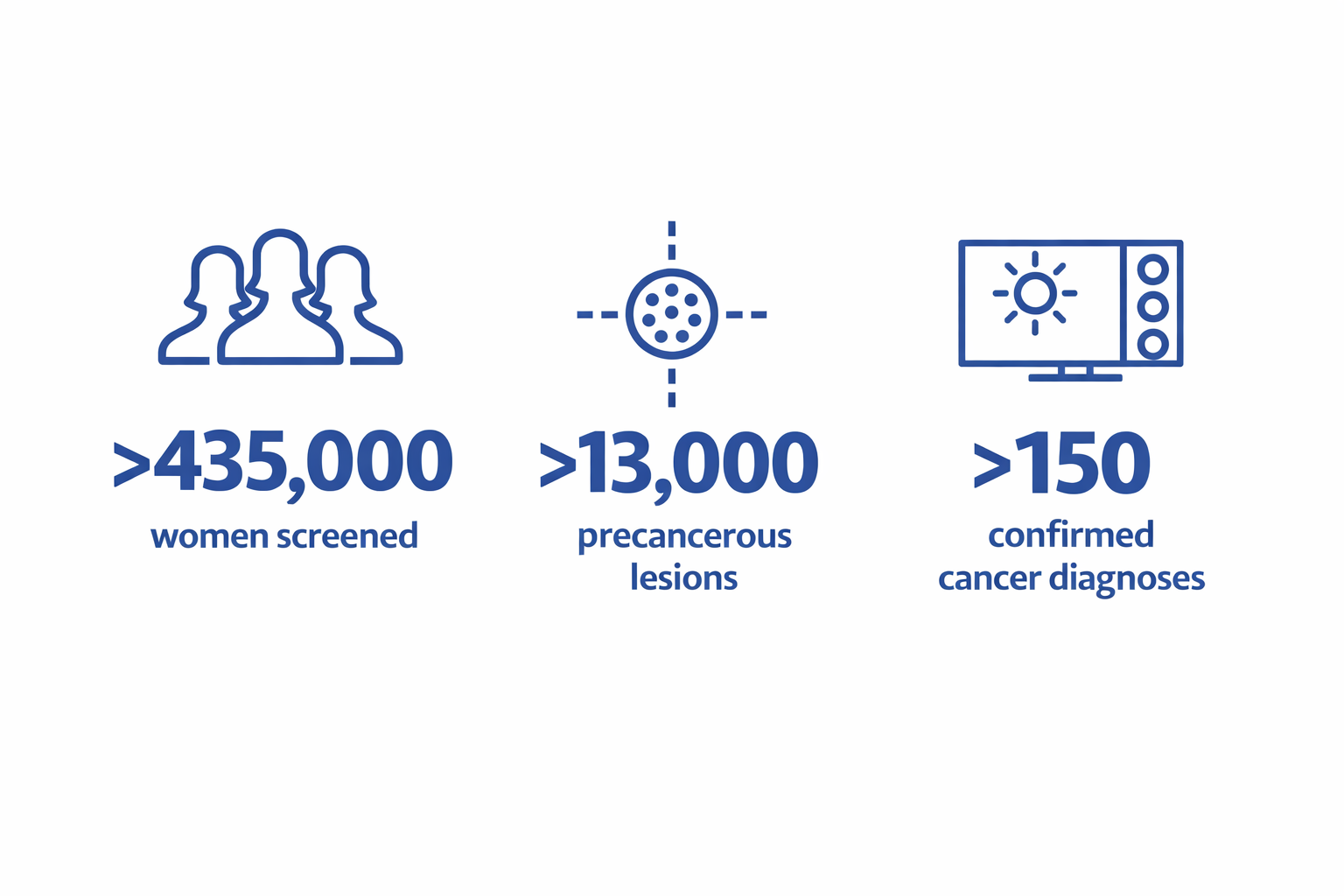
Cervical cancer results 
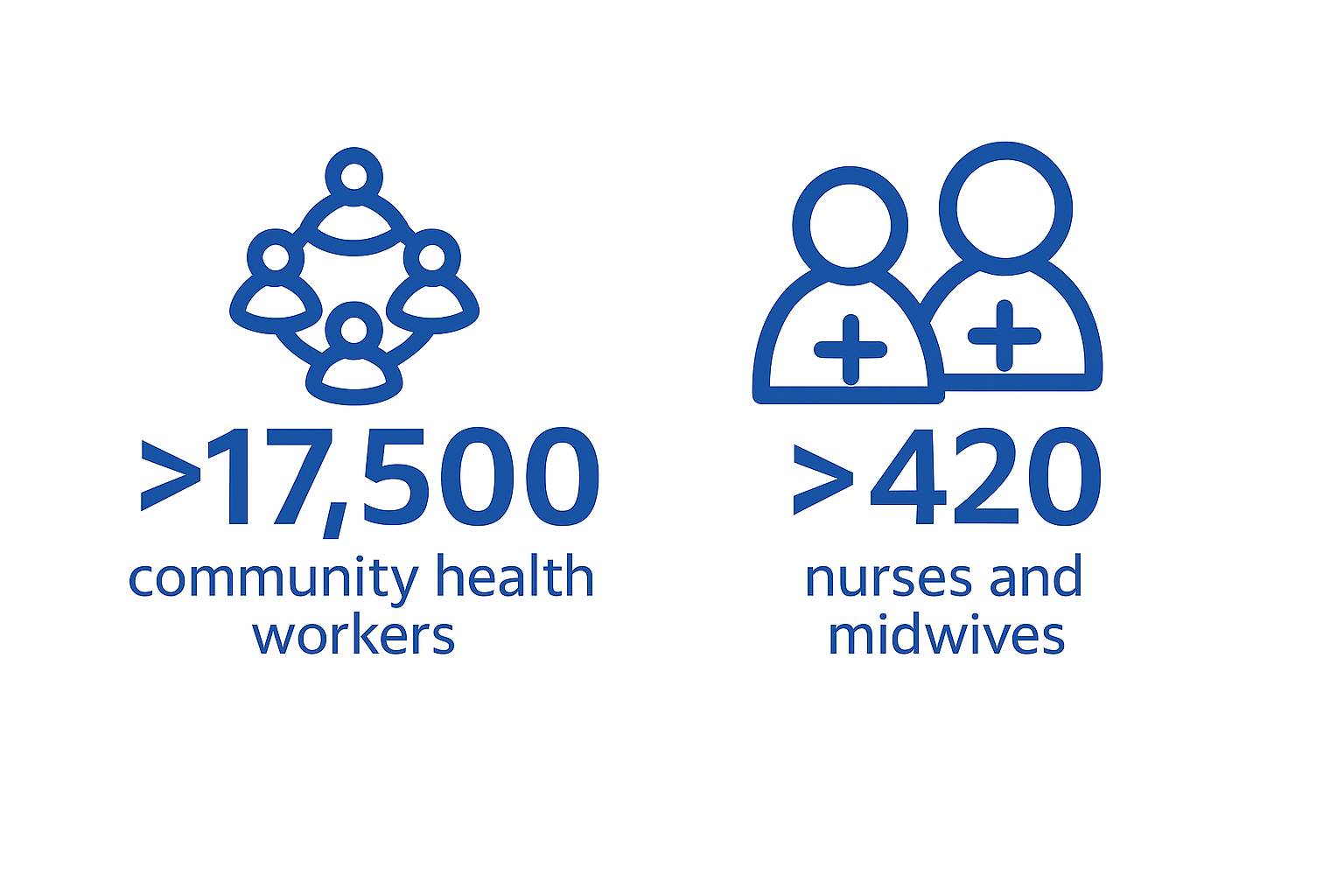
Training and education
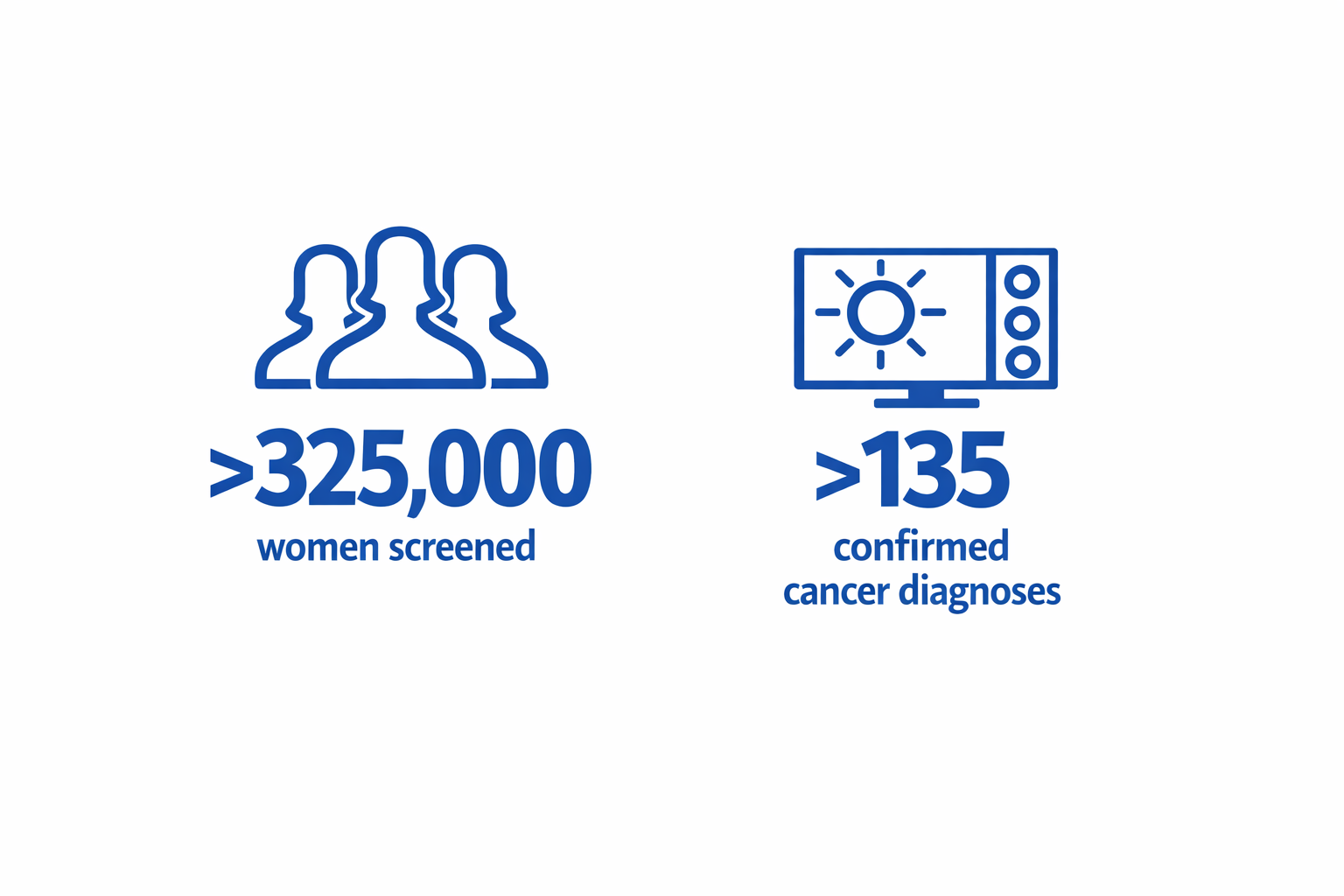
Breast cancer results 

Main partners

The Foundation collaborates with key partners that acknowledge the importance of joining forces to tackle cervical cancer:

Rwandan Ministry of Health

Rwanda Biomedical Center

Rwanda Society for Family Health

Clinton Health Access Initiative (CHAI)
Partners In Health

Heza Initiative

African Center for Research on End of Life Care

Grameen Kalyan, Bangladesh

Rayos Contra Cancer
United Nations Population Fund