
HPV DNA Testing
HPV DNA Testing – Behind Every Results Is a Journey
Every accurate HPV test result begins long before a woman receives her answer. It begins with women being able to access screening, healthcare workers collecting samples, patient navigators helping women through their care journey, and laboratory professionals ensuring every test is performed accurately.
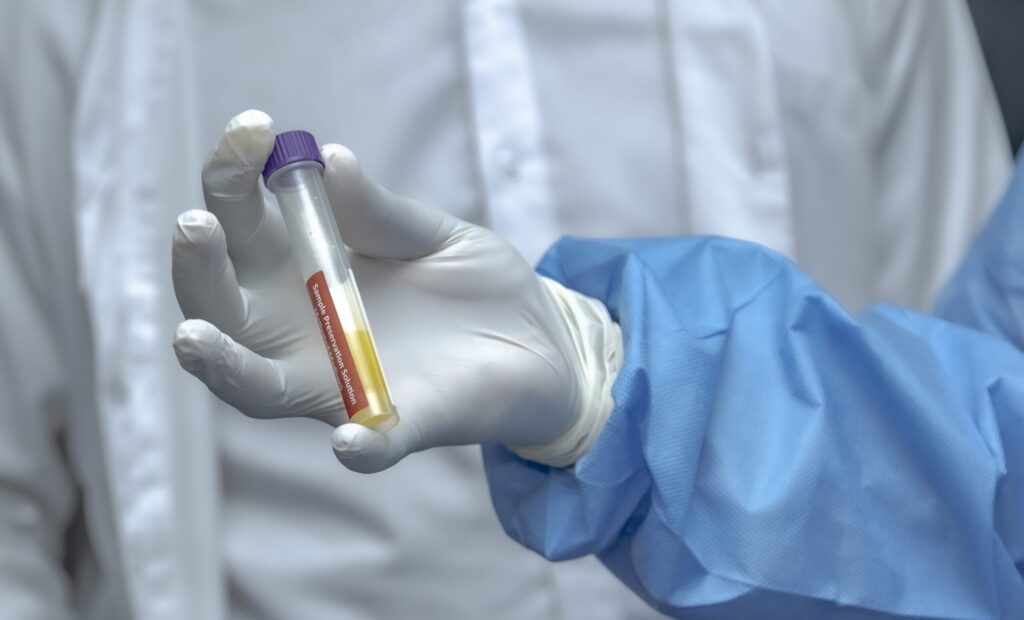
Persistent infection with high-risk human papillomavirus (HPV) causes almost all cervical cancers. By detecting high-risk HPV before cancer develops, HPV DNA screening can identify women who may need follow-up or treatment much earlier.
At Elekta Foundation, we work to strengthen this entire pathway – from screening and sample collection to laboratory testing, results and follow-up care. Because preventing cervical cancer is about more than a test. It is about people, science and systems working together.
Why does HPV DNA testing matter?
HPV is a very common group of viruses. While many infections clear naturally, persistent infection with certain high-risk HPV types can cause changes in cervical cells that may eventually develop into cervical cancer.
HPV DNA testing looks for the genetic material of high-risk HPV in a sample. This makes it possible to identify women at increased risk before cancer develops and before symptoms appear.
Early detection changes the pathway
Persistent high-risk HPV → Cell changes → Cervical cancer
With screening:
HPV DNA screening → Early detection → Follow-up → Treatment when needed
The journey begins with a woman
Every laboratory result begins with a woman accessing screening.
Women may be reached through community organisations, health centres and screening campaigns. During screening, healthcare workers identify women who may need further assessment — including women who test positive for high-risk HPV or show signs that require additional investigation.
But screening alone is not enough. Women also need to be supported through everything that happens afterwards.

Meet Jehovanus Ndayisenga
Patient Navigator, Rwanda
Jehovanus has worked as a patient navigator since 2023, helping women move through the breast and cervical cancer early-detection pathway.
Her role begins with screening and continues through referrals, testing, diagnosis and treatment.
Jehovanus has worked as a patient navigator since2023, helping women move through the breast andcervical cancer early-detection pathway.
She works closely with community health workers, healthcare providers, hospitals and other patient navigators to make sure women do not get lost during what can be a long and complicated journey.
This can mean coordinating hospital referrals, making sure women receive pathology results on time, arranging appointments with treatment centres and following up to ensure women attend them.
For women travelling long distances, practical barriers can also prevent access to care. Jehovanus helps identify these challenges and can connect women with transport or financial support where available.
Her work also goes beyond medical coordination. She helps women understand their diagnosis and provides psychosocial support to patients and families facing uncertainty or difficult diagnoses.
For Jehovanus, patient navigation means making the journey as clear and smooth as possible – from the moment a woman is screened to the moment she receives the care she needs.
What happens after an HPV sample leaves the clinic?
For the woman being screened, providing the sample may feel like the end of the process. For the laboratory, it is only the beginning.
Each sample follows a carefully controlled pathway:
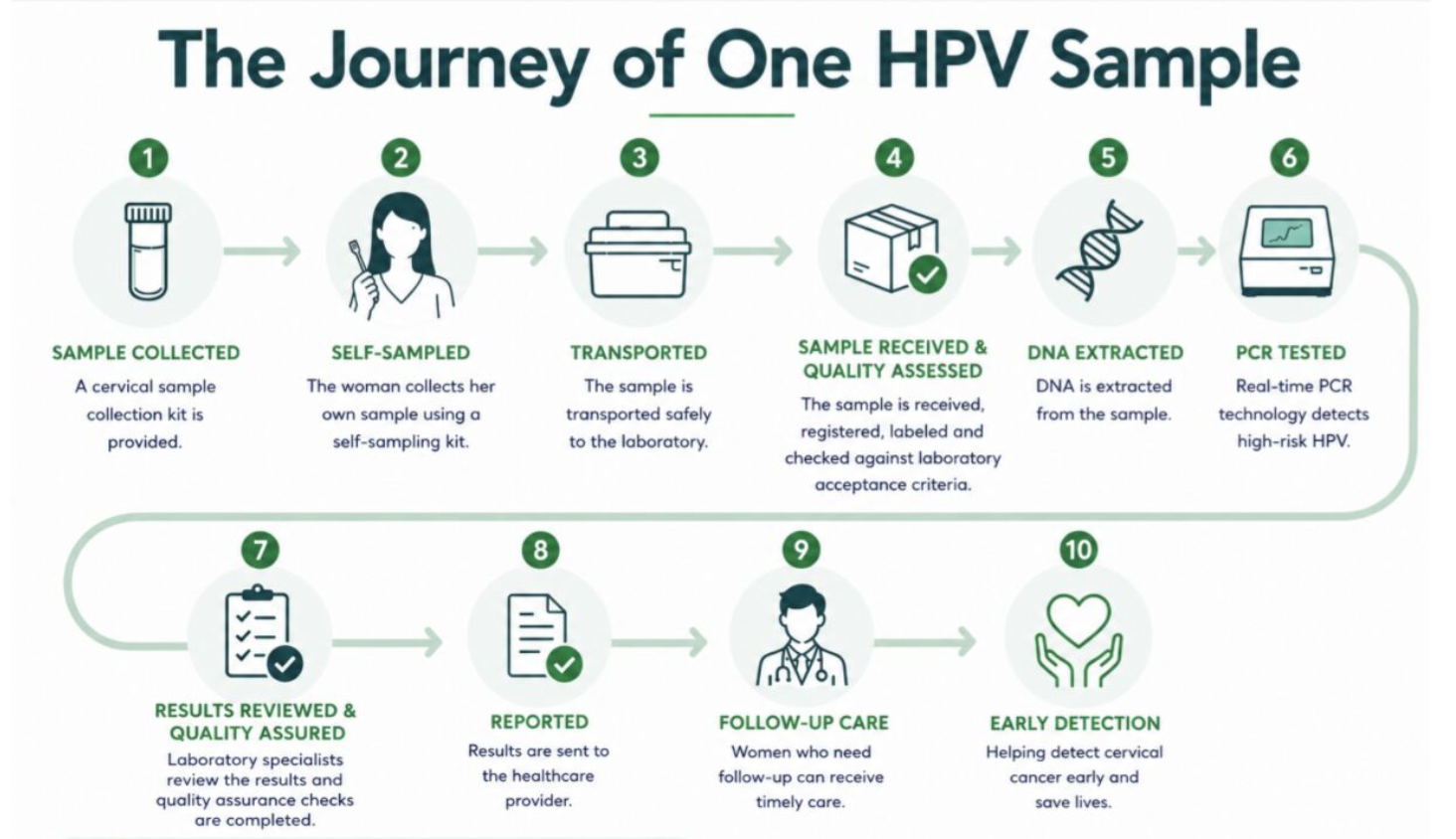
Every stage matters because each one depends on the step before it.
Inside the laboratory
Most women never see what happens after their sample reaches the laboratory.
Behind every result is a team of professionals receiving and registering samples, checking their quality, extracting DNA, running molecular tests, reviewing controls and validating results before they are reported.
How does PCR detect high-risk HPV?
PCR – Polymerase Chain Reaction – can be thought of as a photocopier for DNA.
Only tiny amounts of HPV DNA may be present in a sample. PCR makes millions of copies of selected pieces of DNA, allowing laboratory professionals to determine whether high-risk HPV is present.
Tiny amount of HPV DNA → PCR amplifies it → High-risk HPV becomes detectable
This allows women at risk to be identified before cervical cancer develops.
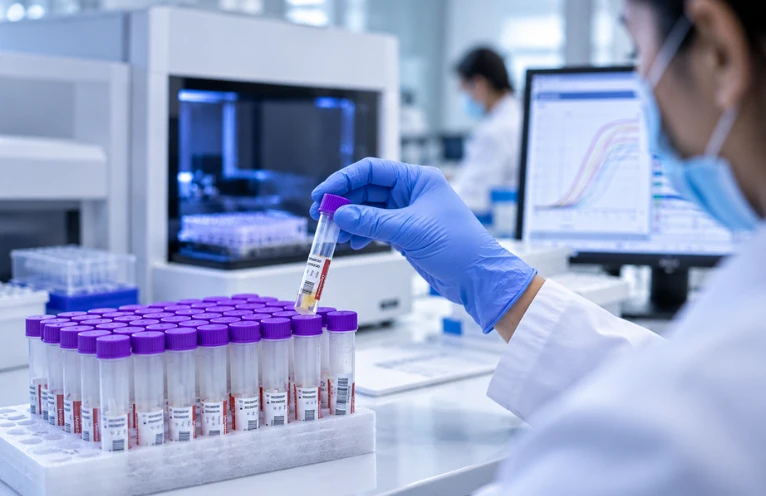
From one sample to thousands
Screening one woman requires a reliable process. Screening tens of thousands of women requires an entire system. During large-scale programmes, every sample still needs to be registered, processed, tested, reviewed and reported accurately.
In Rwanda’s Rwamagana District, these systems supported the screening of more than 38,000 women in just over four weeks. Making screening possible at this scale requires trained laboratory professionals, standardised workflows, reliable sample tracking, molecular diagnostics and strong quality systems.
The aim is not simply to process more tests. It is to reach more women while maintaining reliable results.
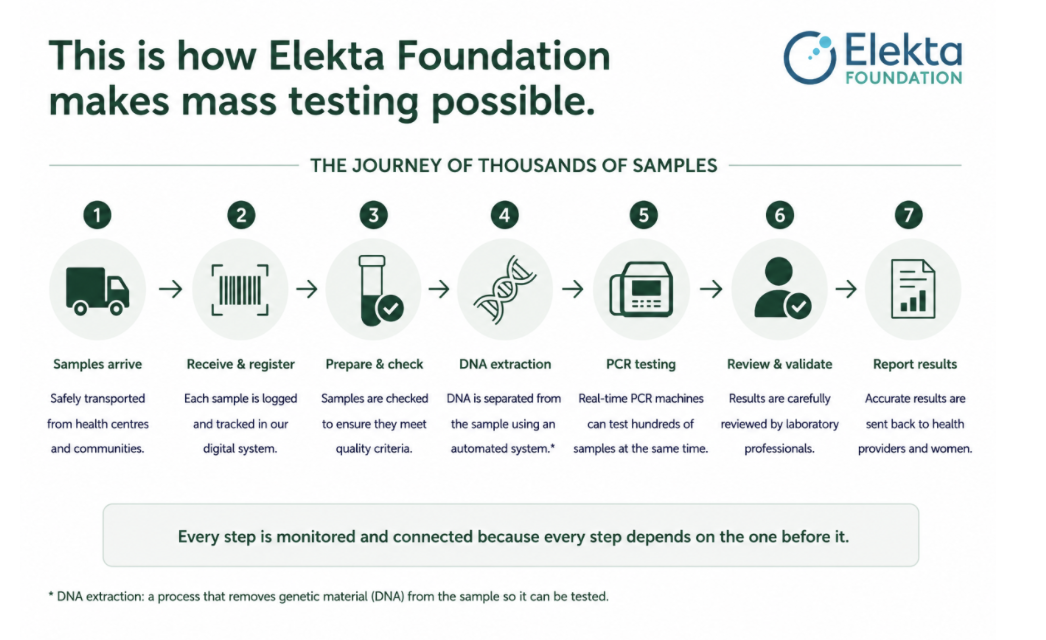
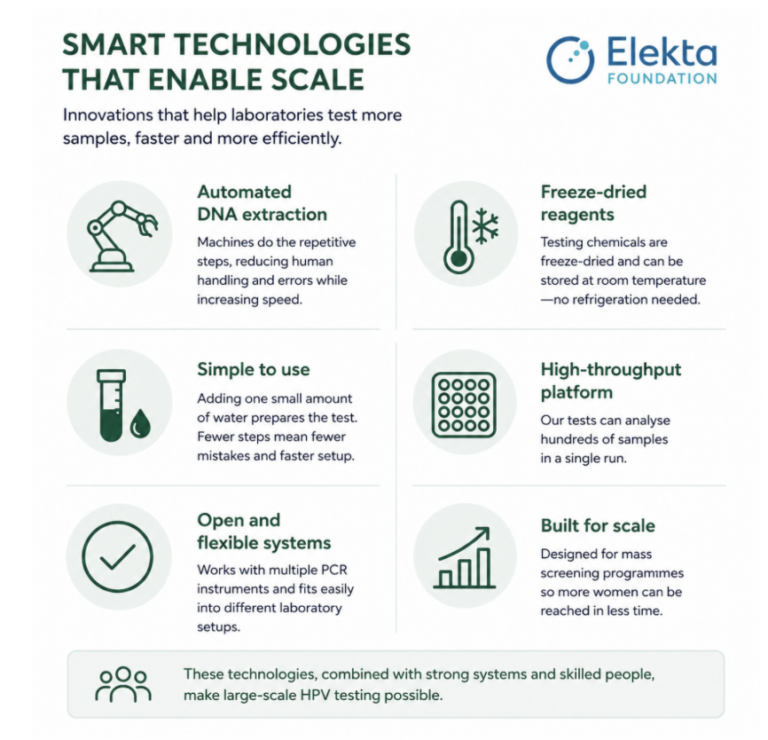
Together with trained professionals and strong laboratory systems, these technologies help make population-level HPV DNA screening possible.
Smart technologies that enable scale
Strong laboratory systems are supported by technologies that help laboratories test larger numbers of samples efficiently and reliably.
Automated DNA extraction
Reduces repetitive manual handling and helps laboratories process larger batches of samples.
Freeze-dried reagents
Can be stored at room temperature, reducing dependence on refrigerated supply chains and making transport to different settings easier.
Simplified workflows
Fewer preparation steps can reduce errors and make testing easier for laboratory teams.
High-throughput testing
Allows hundreds of samples to be analysed during the same testing run.
Open and flexible systems
Can work with different PCR instruments and laboratory set-ups depending on local needs.
How do we know a result can be trusted?
When a woman receives her HPV DNA test result, she sees the final answer.
What she does not see are all the quality checks behind it.
Quality begins when the sample is collected. It must be transported safely and checked against laboratory requirements before testing starts.
Quality assurance then continues throughout the laboratory process. Positive and negative controls are included in PCR testing, equipment is maintained and calibrated, contamination is carefully prevented and trained laboratory professionals review results before they are reported.
One innovation also helps check the quality of self-collected samples before testing begins.
The self-sampling tube contains a built-in colour indicator:
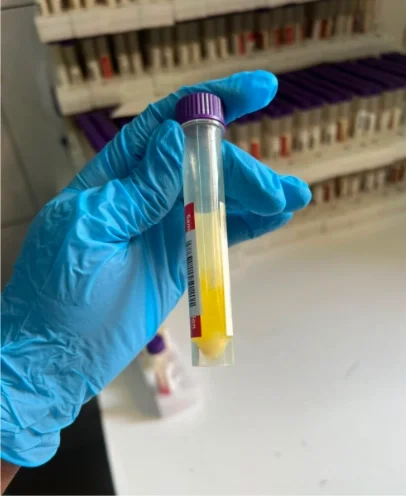
Yellow → an adequate sample has been collected
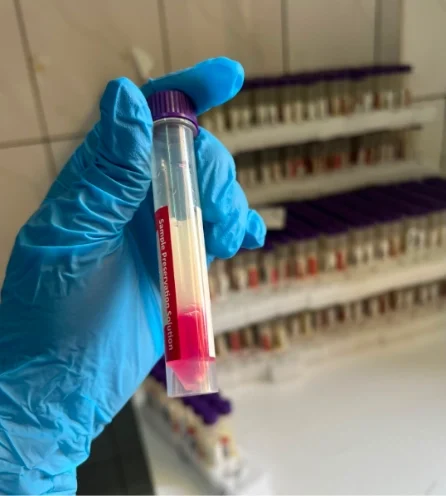
Pink → the sample may be insufficient
Identifying this early can reduce the need for repeat sampling and help ensure the laboratory receives a sample it can reliably test. Quality assurance is therefore not only about laboratory standards. It is about making sure every woman receives an answer she can trust.

Meet Roger Niyihoza
HPV Molecular Diagnostics and Laboratory Systems Consultant
Behind these systems are laboratory professionals like Roger Niyihoza.
Roger has worked with Rwanda’s Women Cancer Early Detection programme since 2021. His work includes strengthening laboratory systems, training professionals in HPV molecular diagnostics and helping laboratories deliver reliable HPV DNA testing at scale.
For Roger, every sample represents a question that science can answer.
“When a sample arrives, we don’t know the result. In the lab, we don’t guess, we test. Through science and precision, we discover the answer.”
But laboratory testing is never the work of one person.
“It would be impossible to do this work without a strong team.”
Ultimately, the result produced by that team helps determine what happens next for a woman.
“Without laboratory testing, we wouldn’t know which women need treatment or what care they need next.”
From a result to the next step in care
The laboratory result is not the end of the journey.
It must reach the healthcare team and, most importantly, the woman.
For women who need additional care, patient navigation becomes crucial again.
Jehovanus helps coordinate referrals from communities and health centres to hospitals and treatment centres, follows up with women about appointments, helps ensure results reach them on time and works to address barriers that could prevent them from receiving care.
Her role connects the laboratory result back to the woman.
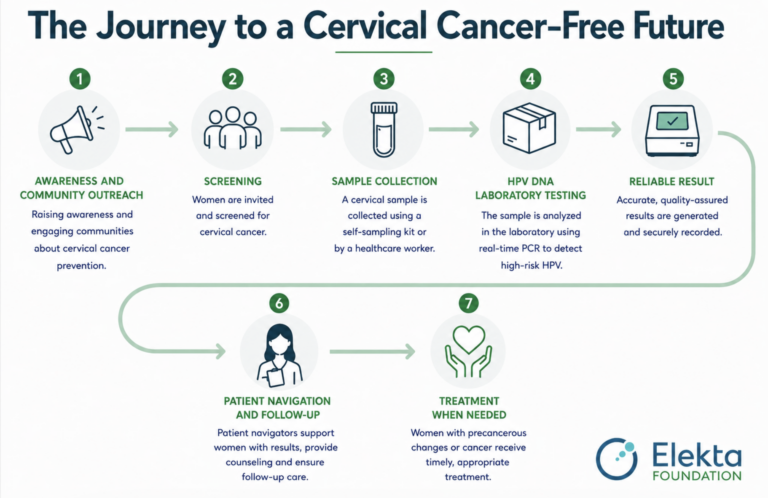
People, Science & Systems
Cervical cancer elimination requires all three.
People
Women, community health workers, patient navigators, laboratory professionals and healthcare providers.
Science
HPV DNA testing, PCR, molecular diagnostics and quality assurance.
Systems
Screening programmes, referrals, sample transport, laboratory capacity, reporting and follow-up care.
Together, they turn screening into something much more important: an opportunity to detect risk early and connect women with the care they need.